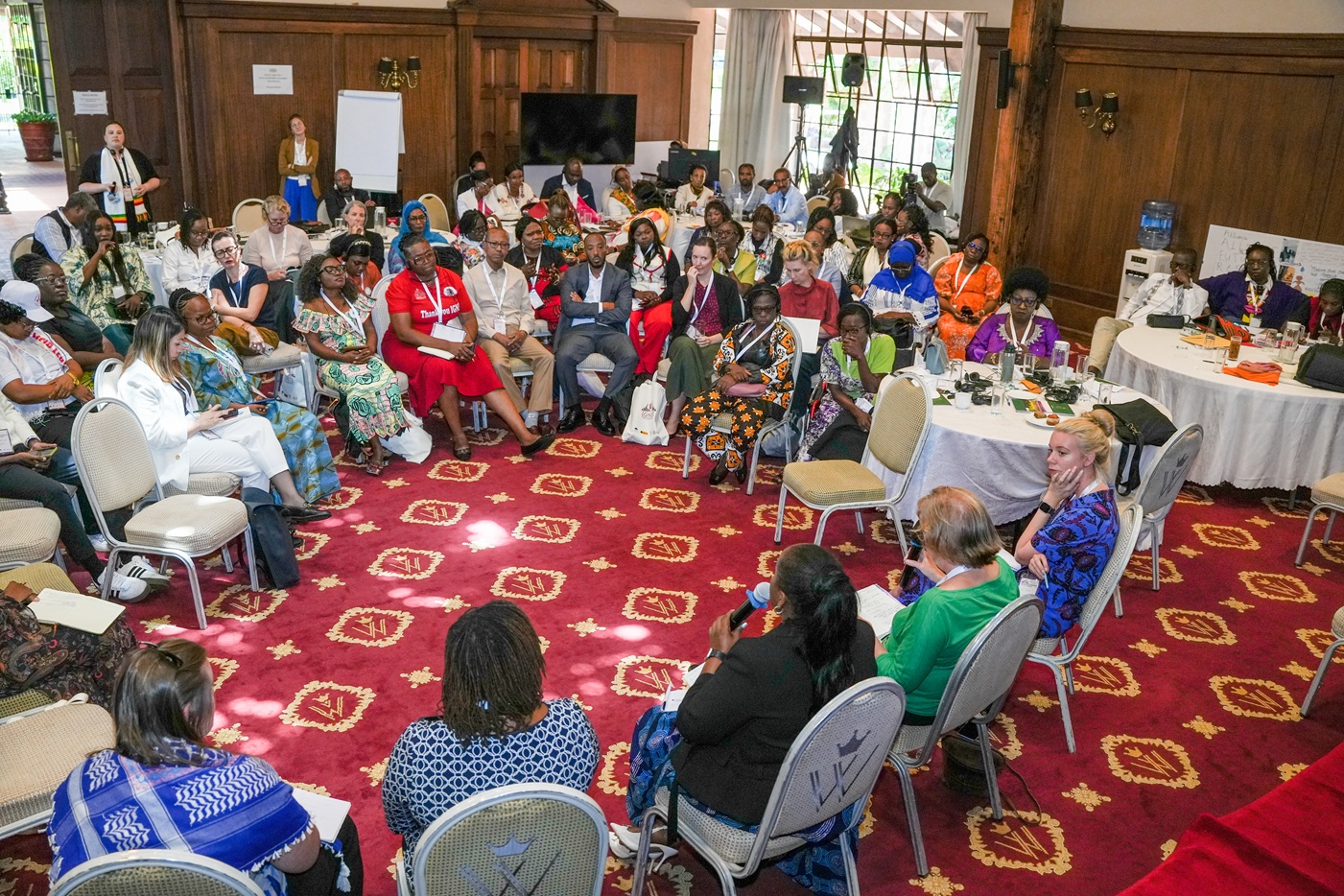
In March 2026, about 100 participants gathered in Nairobi for IGNITE Forward, a regional convening designed to do more than celebrate achievements. At a time when shrinking civic space, growing humanitarian needs, and declining resources are forcing the aid sector to rethink its models, IGNITE Forward created a space to examine a fundamental paradigm: local organizations are better positioned to lead change in their own communities.
Bringing together grassroots organizations, donors, government representatives, international NGOs, foundations, media, and private sector actors, the event placed local civil society organizations at the center of the conversation. Among them were 46 women and youth-led organizations from five African countries supported through the IGNITE programme. Their message was clear: localization is not simply a principle. It is a practical, effective, and sustainable approach to addressing complex social challenges.
As one participant noted during the event, “The local organizations are ready and are underutilized.” Throughout the convening, discussions highlighted the fact that organizations rooted locally often possess communities’ trust, contextual understanding, and long-term presence needed to address challenges that external actors struggle to reach.
From Service Delivery to Influence
Moreover, while many local organizations are recognized for delivering services, IGNITE Forward highlighted another critical dimension of locally led action: advocacy.
Across Sub-Saharan Africa and the Middle East, grassroots feminist organizations are often closest to the girls, women, and vulnerable communities they serve. Yet they are frequently excluded from the spaces where policies and decisions affecting those communities are made.
Over the past 36 months, the IGNITE programme has sought to address this gap. Through flexible funding, tailored accompaniment, peer learning, and technical support, IGNITE has supported 86 organizations across seven countries. More than 90 advocacy products were developed through the programme, enabling partners to engage decision-makers, challenge harmful norms, and influence policies affecting girls and women.
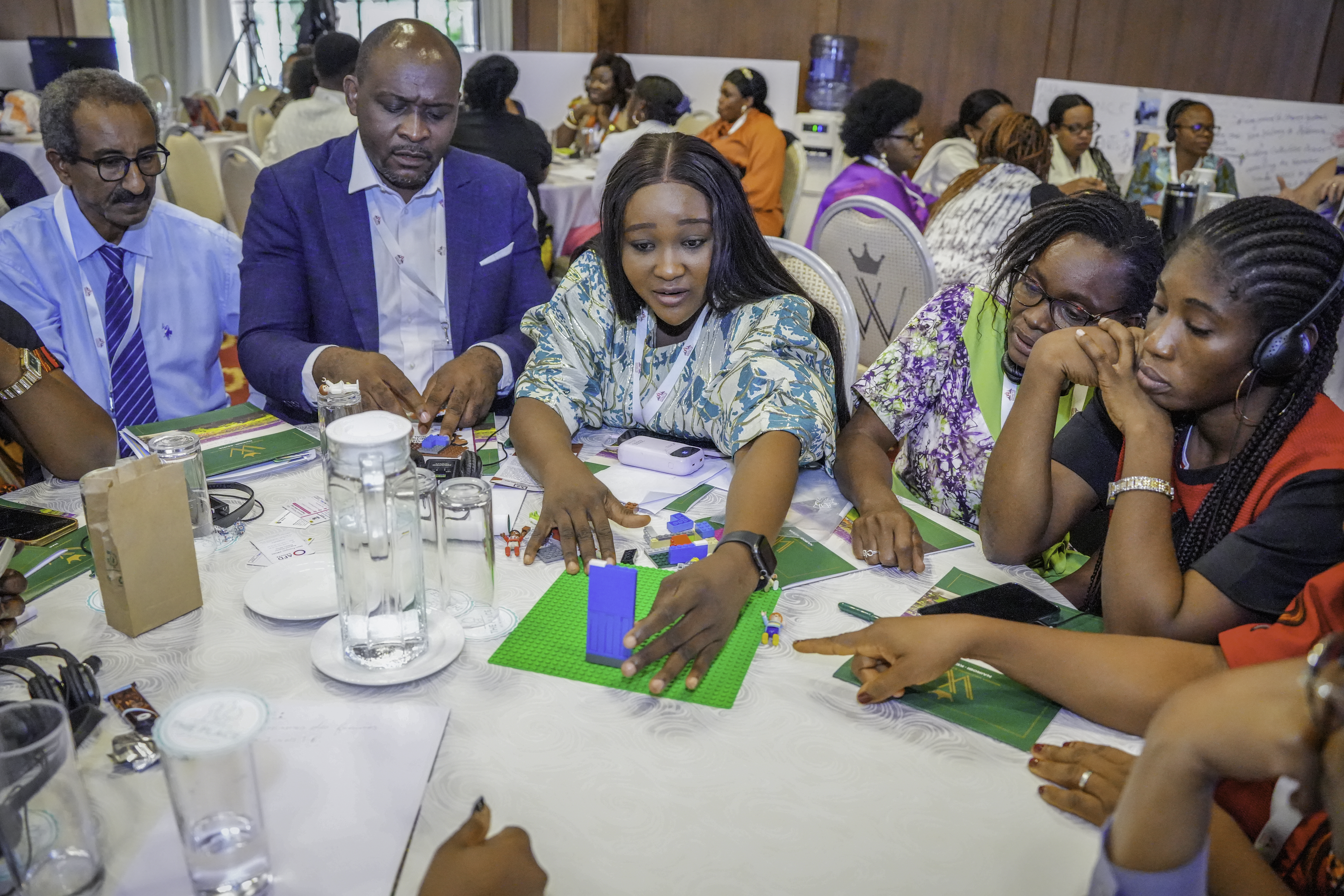
The results have been tangible. In the Democratic Republic of Congo, advocacy efforts contributed to political decisions allowing pregnant adolescents to remain in school. In Burkina Faso, local organizations gained access to government policy discussions on adolescent health. In Cameroon, advocacy efforts secured commitments from local authorities to facilitate school re-entry for girls affected by early and unintended pregnancy.
These examples demonstrate a shift from organizations being viewed solely as implementers of projects to becoming recognized actors capable of shaping systems and influencing change.
A Model Built on Trust
The discussions throughout IGNITE Forward repeatedly returned to one theme: trust. Too often, local organizations are expected to deliver transformative outcomes while operating with limited resources, tightly earmarked funding, and little influence over programme design or strategic decision-making.
IGNITE was intentionally designed differently. The programme combines flexible grant-making with organizational strengthening, capacity sharing, and advocacy support. Rather than prescribing solutions, it enables organizations to identify their own priorities and determine the most effective responses for their communities.
“IGNITE told us that our experience mattered. Our perspectives mattered. Our leadership mattered,” reflected Raquel Kasham, one of the programme’s partners. This philosophy extends beyond relationships with grantees. Within the consortium itself, decision-making was grounded in collaboration and shared leadership.
As Carene Siri of UAF-Africa explained during the event, “Partners worked through a model that emphasized shared leadership, co-creation, co-construction, and collective decision-making.” The result is a model that strengthens not only projects, but institutions
Building Networks That Last
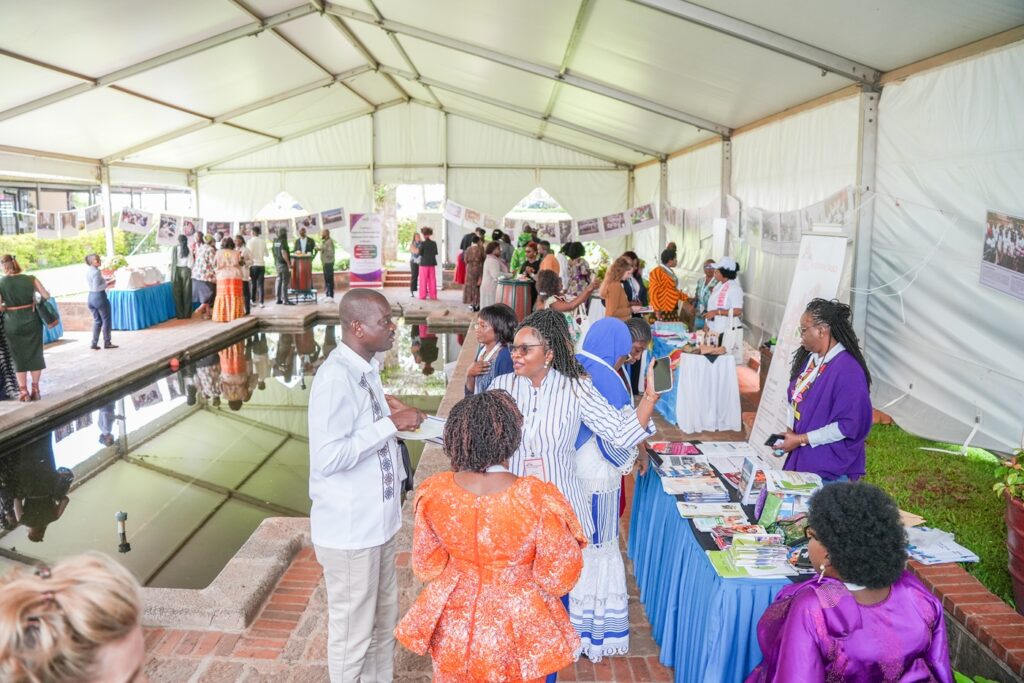
A key objective of IGNITE Forward was to foster relationships that continue long after the event itself. For many participating organizations, it was the first opportunity to engage directly with donors, foundations, private sector actors, and peer organizations from other countries. Conversations that began in Nairobi created opportunities for future collaboration, knowledge sharing, and collective advocacy. These connections are especially important in a context where local organizations often work in isolation despite facing similar challenges.
By creating opportunities for exchange, IGNITE Forward contributed to building a stronger ecosystem of locally led actors capable of supporting one another and amplifying collective influence. As Anasthasie Sawadogo from Burkina Faso observed, the event formed part of a broader effort to help local organizations become “strong institutions capable not only of implementing projects, but of shaping the future of our communities.”
Looking Ahead
The conversations at IGNITE Forward ultimately pointed toward a shared conclusion: sustainable change requires shifting power, better visibility on funding, and decision-making closer to communities. As global humanitarian and development actors continue to adapt to a changing landscape, the IGNITE experience offers a practical example of what this can look like in practice.
By investing in trust, organizational resilience, advocacy, and long-term partnerships, local organizations are not only improving access to education and protection for girls. They are helping shape more inclusive institutions, stronger civil societies, and more resilient communities.
IGNITE Forward demonstrated that locally led action is not a future aspiration. It is already happening. The challenge now is ensuring that it becomes the norm rather than the exception.