ABAAD was founded on the belief that lasting change requires simultaneous action at community, institutional, and policy levels. The organization operates through a distinctive dual positioning: grassroots teams embedded in communities through mobile units and safe houses work alongside trusted partnerships with state institutions including the Ministry of Social Affairs. This bridging role connecting lived experience with institutional power has enabled ABAAD to influence how Lebanon responds to gender-based violence.
As Ghida Anani, ABAAD’s founder, explains, “lasting change cannot happen at only one level. It must be pursued simultaneously within communities, institutions, and policy frameworks, while remaining rooted in the lived realities of the people we serve.” This philosophy shapes everything from the National Standard Operating Procedures for GBV Case Management that ABAAD co-developed with the Ministry of Social Affairs, to our activities that are tested and refined through direct community implementation”.
The IGNITE Project: From Research to Transformation
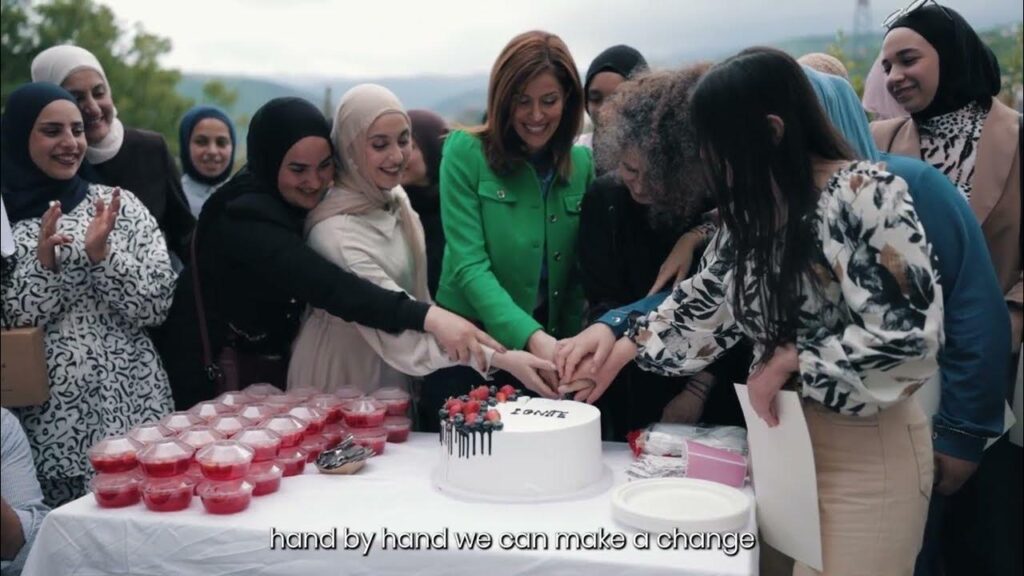
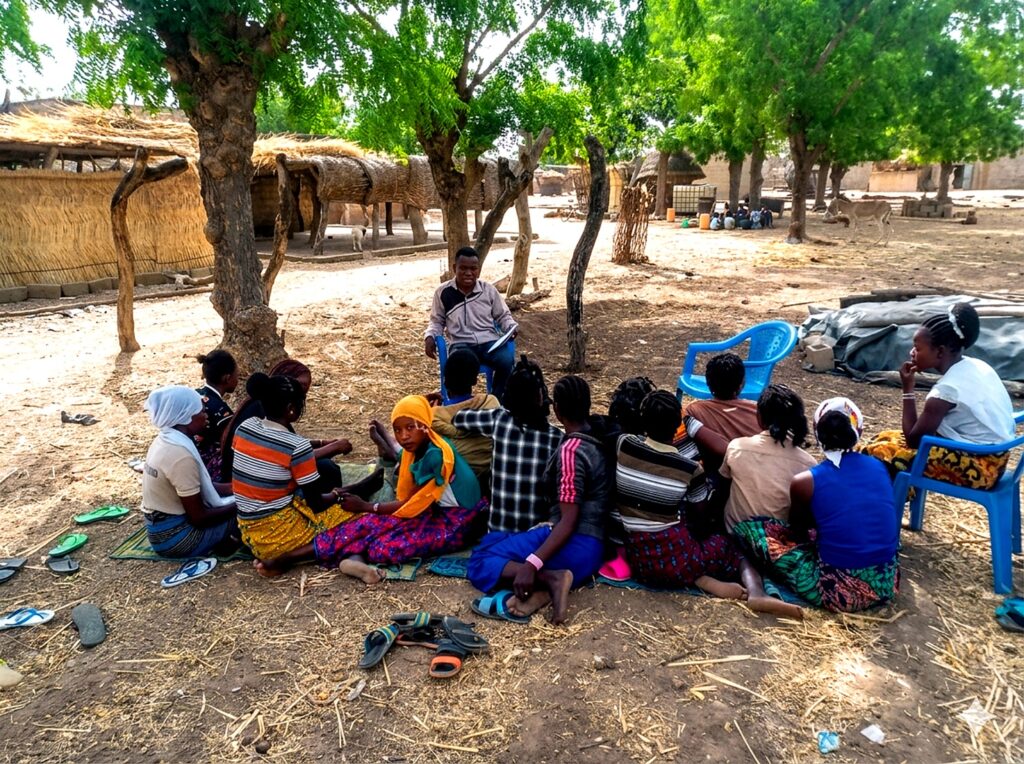
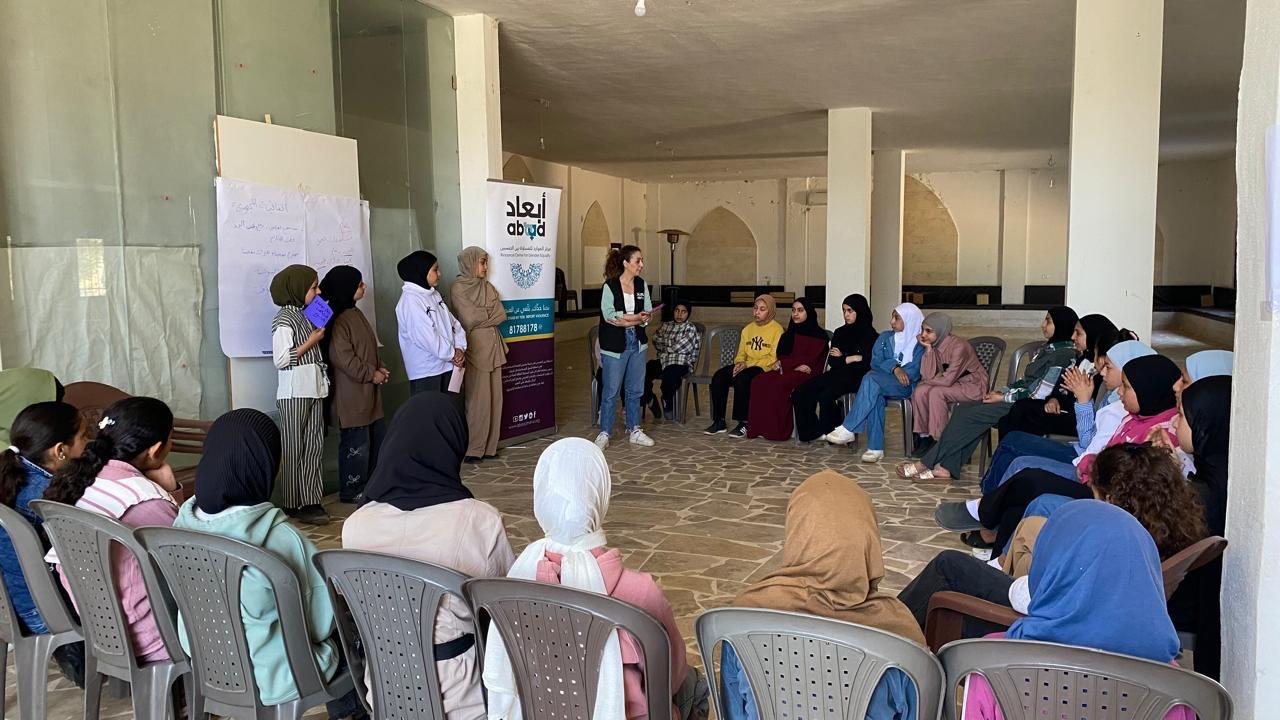
With IGNITE funding, ABAAD implemented a transformative initiative in Wadi Khaled focused on removing barriers to girls’ education. In this rural locality of Northern Lebanon sitting on the border with Syria, the project began with comprehensive focus group discussions to map the specific economic and social barriers preventing girls from accessing education: poverty, early marriage, gender-based violence, infrastructure gaps, and entrenched social norms.
These insights directly shaped the implementation of a specialized Basic Life Skills program that reached 141 adolescent girls and 110 caregivers. For many young women, the sessions provided a nonjudgmental space where they felt truly heard and respected. The impact was immediate with participants experiencing significant boosts in self-esteem and emotional regulation, replacing isolation with community solidarity and renewed motivation for their education.
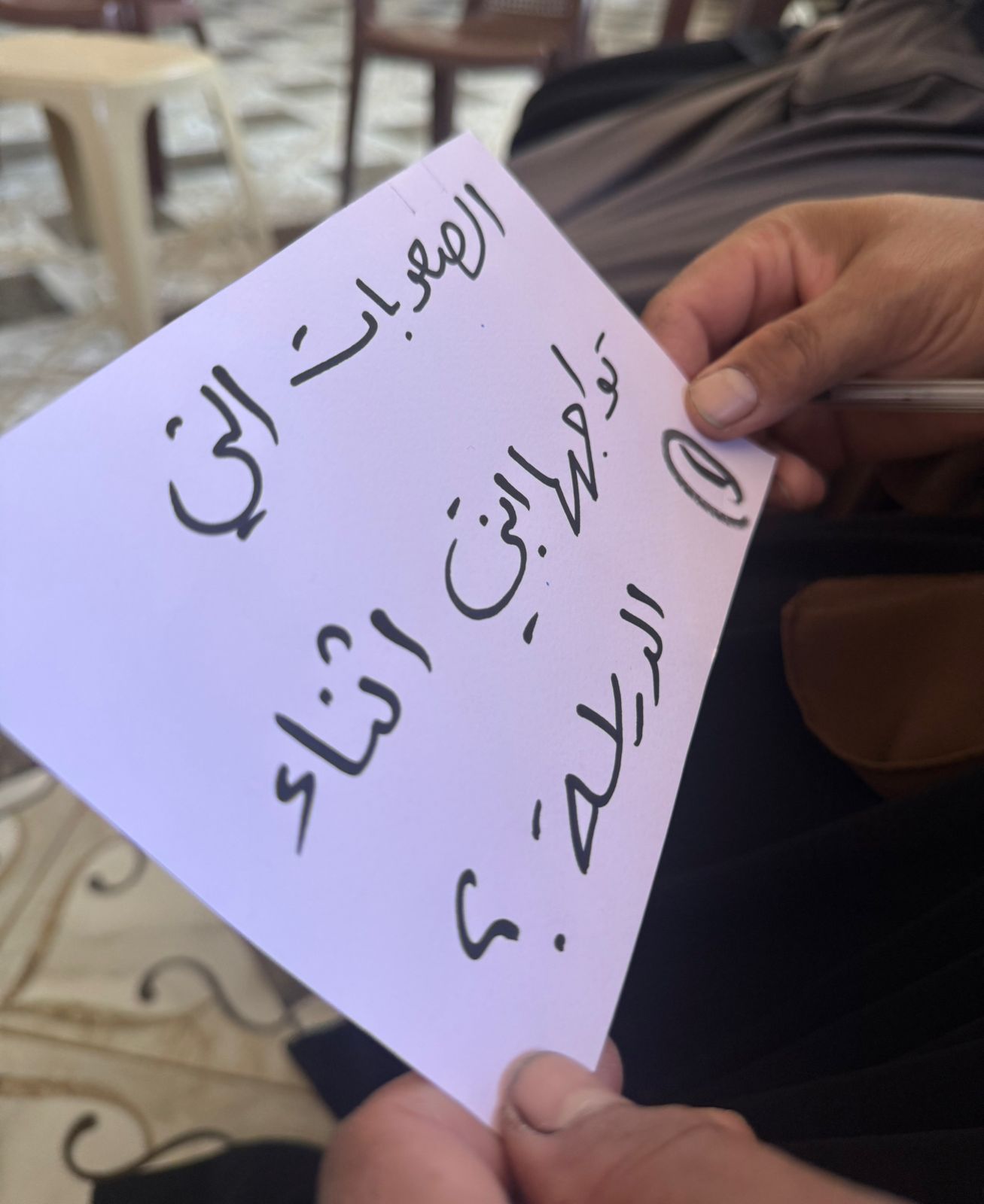
The most powerful transformation emerged in individual stories. One mother from Wadi Khaled initially believed early marriage was the only protection for her fifteen-year-old daughter against poverty and social pressure. Thanks to ABAAD’s sessions on adolescent development and gender equality, her perspective shifted entirely. She realized that marriage would not protect her daughter: it would disarm her of her future. Education became, in her words, “a lifelong weapon for independence.” She shifted her relationship with her daughter based on trust rather than control, and when costs threatened her daughter’s education, she organized a community carpooling group to ensure she could continue attending school.
This transformation is now being captured in the “Together for My Right to Education” toolkit (link in Arabic), designed to inspire lasting change across the region. The initiative is now moving into an intergenerational phase where educational tutors lead co-learning activities bringing adolescent girls and caregivers together, combining practical study techniques with coaching on creating motivating home learning environments.
Protecting Women in Humanitarian Crisis
As Lebanon faces renewed conflict in 2026, adding internally displaced to the protracted humanitarian situation, ABAAD has been at the forefront of the humanitarian response. The organization recognized immediately that displacement, overcrowding, and fractured support networks do not affect everyone equally. Women and girls bear disproportionate burdens, including heightened exposure to sexual violence, loss of reproductive health services, and isolation from traditional support systems.
ABAAD’s rapid adaptation drew on existing grassroots networks across Lebanon, allowing immediate deployment of frontline teams inside and outside collective shelters. The organization’s 24/7 GBV Safe Shelter continues operating as a critical protection mechanism, providing emergency temporary safe sheltering for high-risk survivors. Beyond the shelter, frontline teams deliver psychological first aid, community-based psychosocial support, individualized case management, and referrals to complementary services.
Recognizing the urgency and scale of need in Lebanon, ABAAD and other Lebanese grantees have received in May a fast-track top-up IGNITE funding to expand their humanitarian response, ensuring that protection systems hold even as the broader context fractures.