In Mahis, a small town on the outskirts of Amman, 17-year-old Layla[1] once stood at the edge of a future shaped by pressure rather than choice. Pushed out of school by family expectations, economic hardship, and gender-based violence, her education—and sense of self—were slowly slipping away.
Living in a tense household marked by emotional and physical violence, Layla faced mounting pressure to abandon her studies and consider early marriage. Her confidence faded, her academic performance declined, and she withdrew socially, convinced that continuing school was no longer an option.
According to UNICEF reports[2], financial pressure, concerns over girls’ safety on their way to school, and a persistent preference for investing in boys’ education often lead families to adopt harmful coping strategies such as child labour or early marriage in Jordan. These dynamics were clearly impacting Layla’s life, as declining academic performance and growing family pressure pushed her toward leaving school altogether.
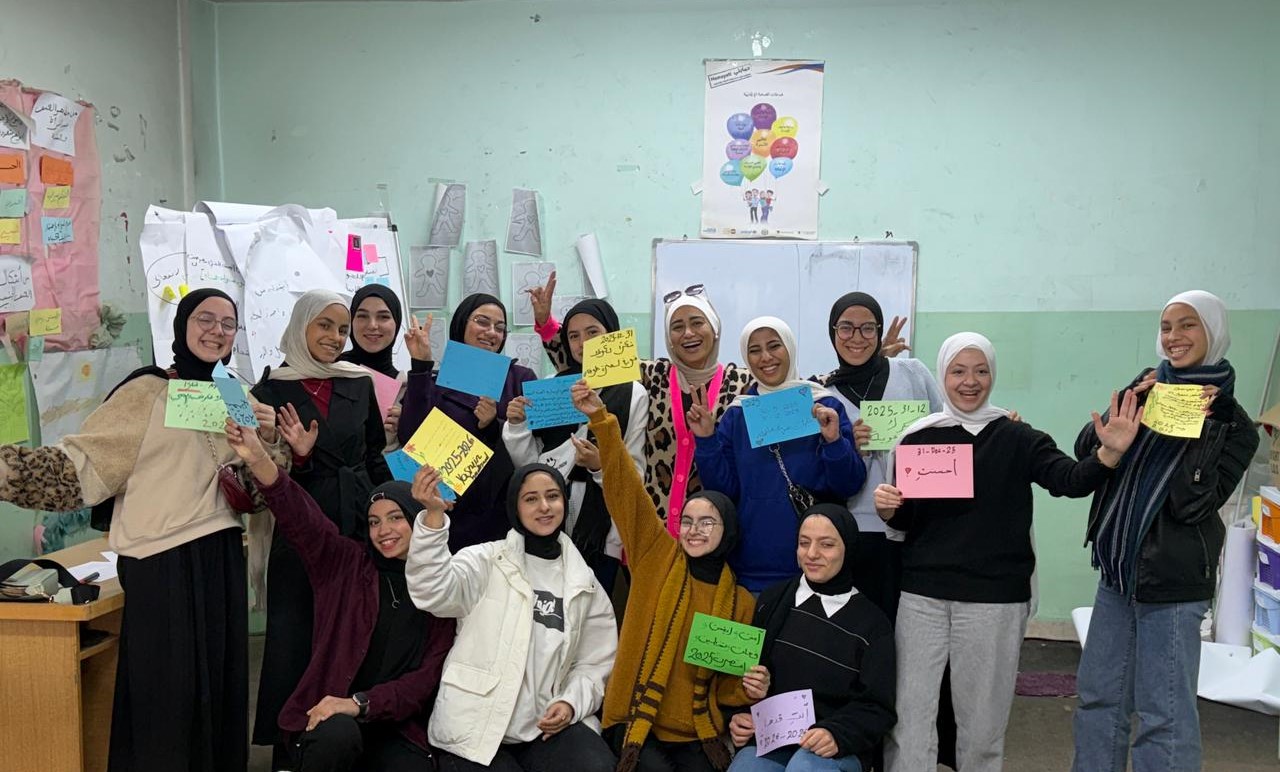
In this context, the Jordanian Women’s Union (JWU) developed a community-based project to prevent gender-based violence and early marriage among adolescent girls. Through life skills training, psychosocial support, and community engagement, the project created spaces that enabled girls to stay in school, build confidence, and reclaim their rights. Implemented across six JWU locations with support from IGNITE grants and partners including IRC and RMF, this program reached 87 adolescent girls in rural areas where they too often lack access to safe, empowering spaces.
[1] The name has been changed to preserve anonymity.
[2] UNICEF – Jordan Country Report on Out-of-School Children
A delicate recovering process
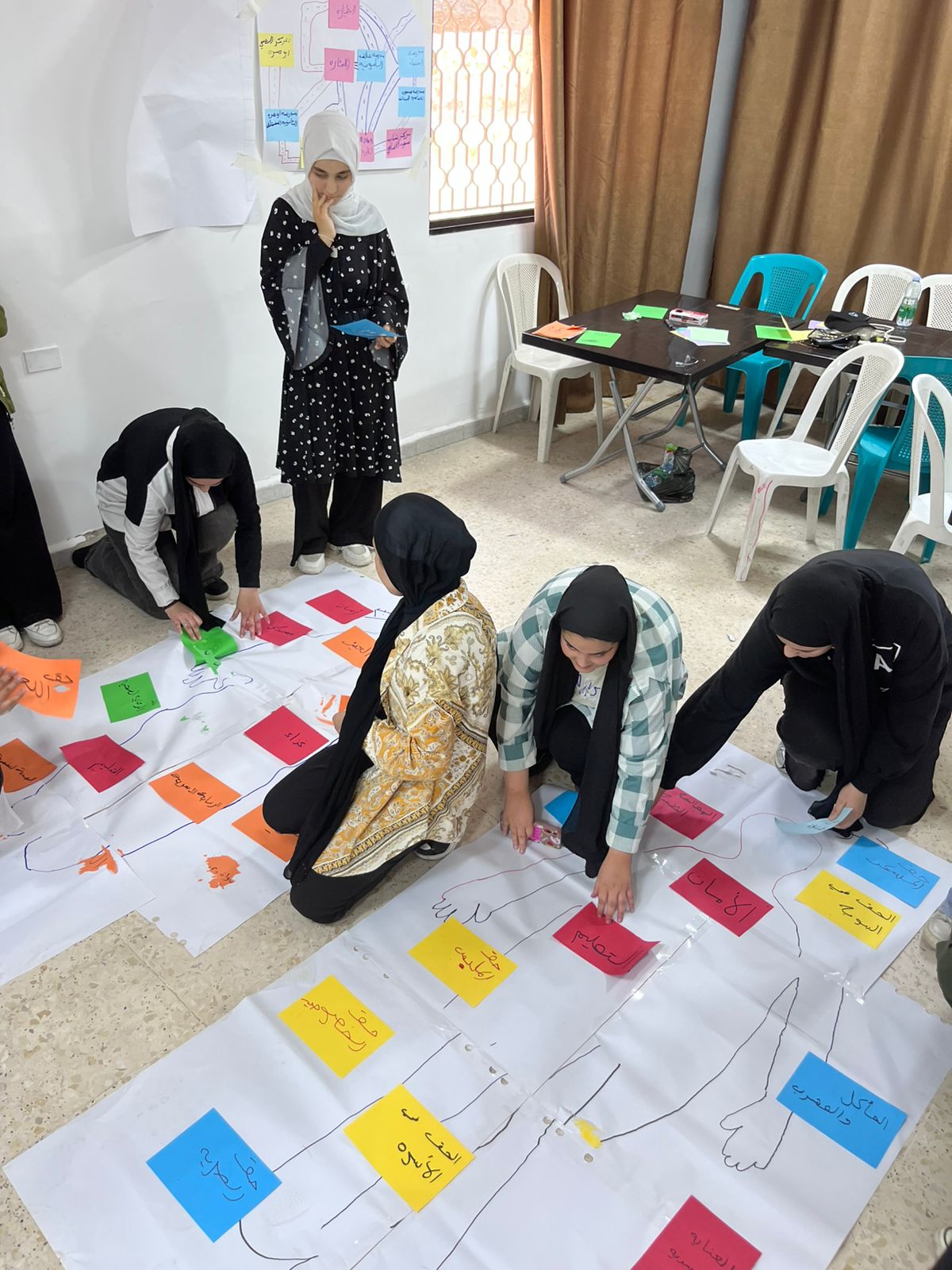
When they approached families of Mahis to enroll adolescents Layla was initially reluctant to participate. It was only after sustained outreach and dialogue with her family that she agreed to join. From the very first sessions, JWU social workers noticed signs of deep distress: low self-esteem, hesitation in speech, difficulty in writing, and social withdrawal. Through a holistic, girl-centered approach, combining awareness-raising, empowerment activities, mentorship, and ongoing psychosocial support, the program addressed not only the symptoms, but the root causes behind Layla’s disengagement.
With consistent encouragement and individualized support, Layla began to rebuild her confidence. She learned to recognize violence, challenge harmful norms, and imagine a future defined by her own aspirations. Most importantly, she made the courageous decision to return to school. Her grades improved, her self-belief grew, and she became a source of encouragement for her younger siblings, urging them to stay in school as well.
“I found that my life would be better if I completed my studies,” Layla shared. “With the encouragement I received and the change in how my parents treated me, I now believe I can be a successful member of society.” According to Hiba Al-Darbashi, the social worker leading the program, Layla’s transformation reflects the program’s core purpose.
Turning grassroot intervention into lasting impact
“Just like her, several other girls who participated in individual and collective activities with JWU, returned to school. Their grades and personality improved noticeably. This is one of the most important achievements of the program.”
Layla’s journey is a powerful example of what becomes possible when adolescent girls are supported through early intervention, family engagement, and community-based advocacy.
By investing in holistic training, community outreach, and sustained accompaniment, the project helped create the conditions for real, lasting change for Layla, and other girls like her across Jordan.
Her story reminds us that when girls are given the tools, trust, and space to reclaim their rights, they don’t just return to school—they reshape their futures and inspire change far beyond themselves.