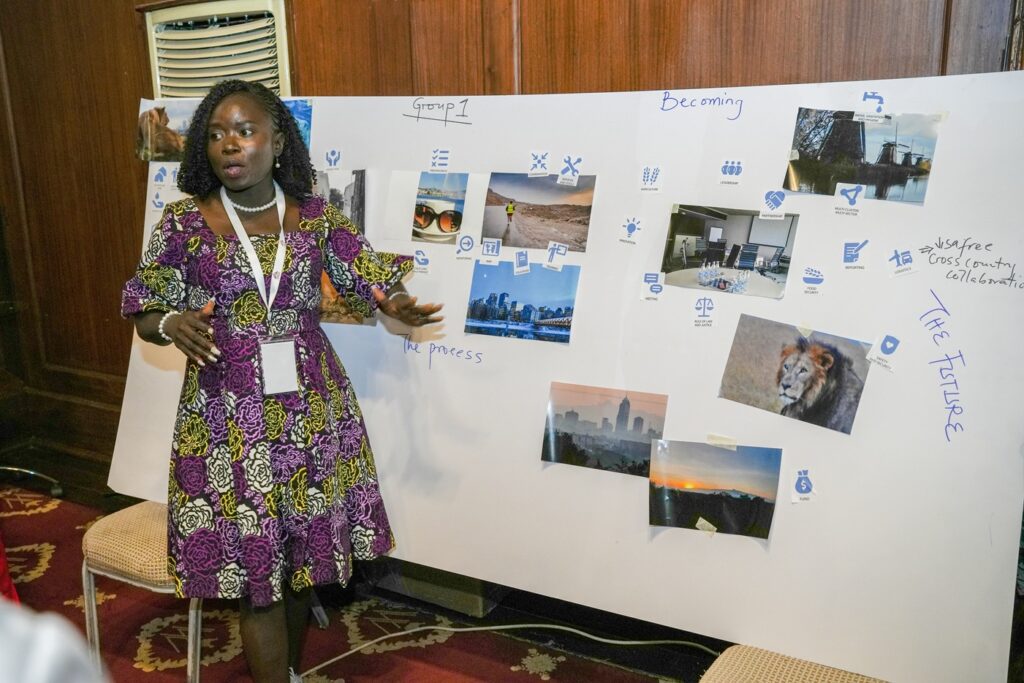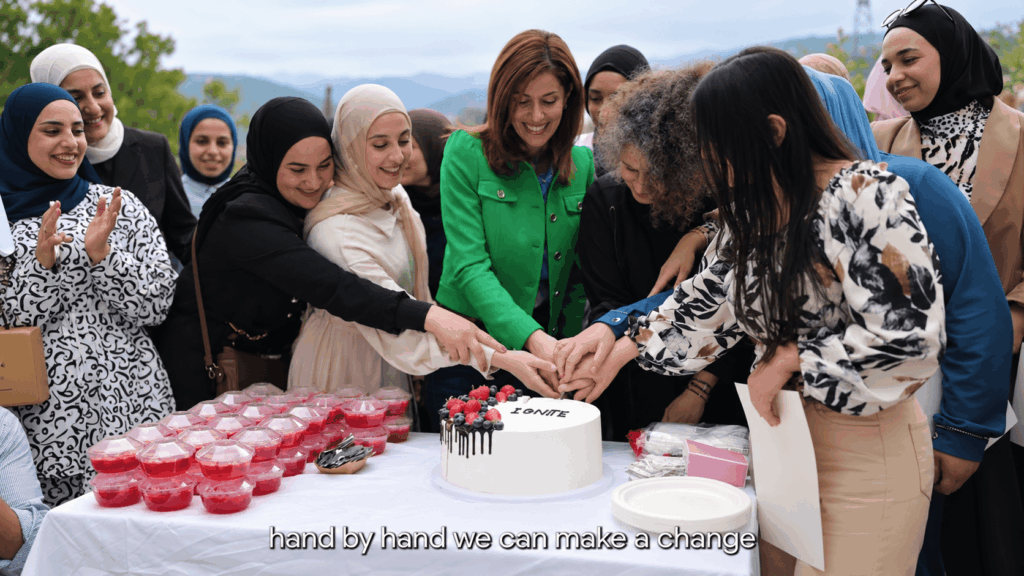
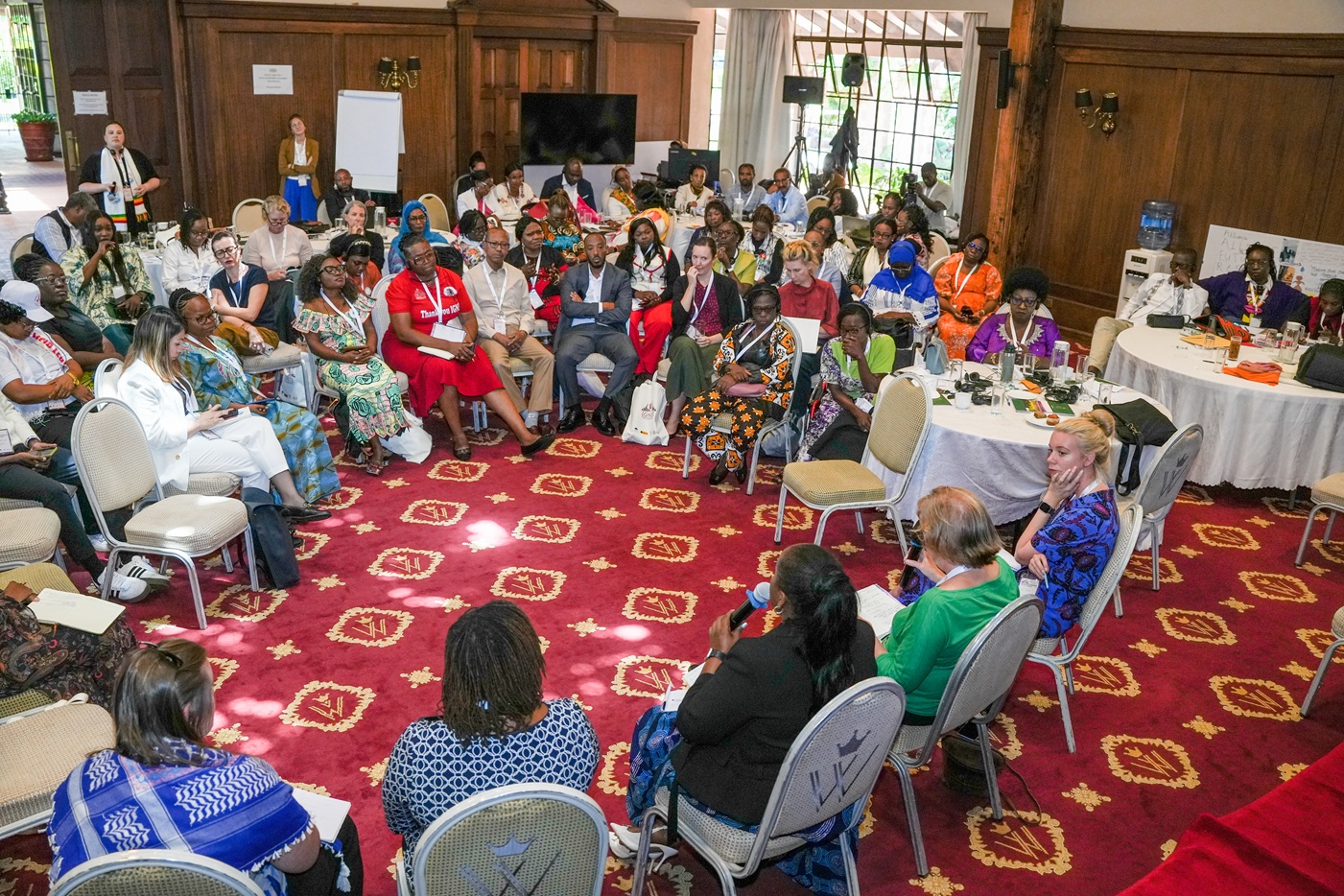
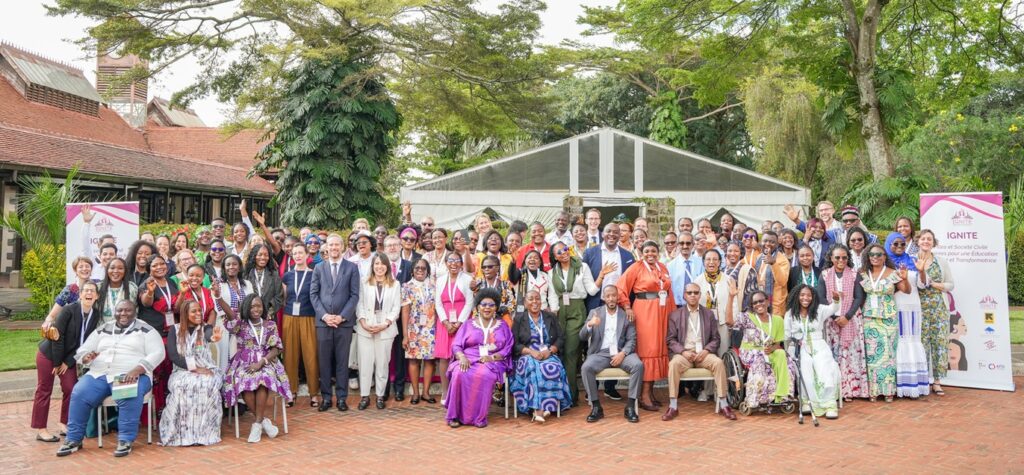
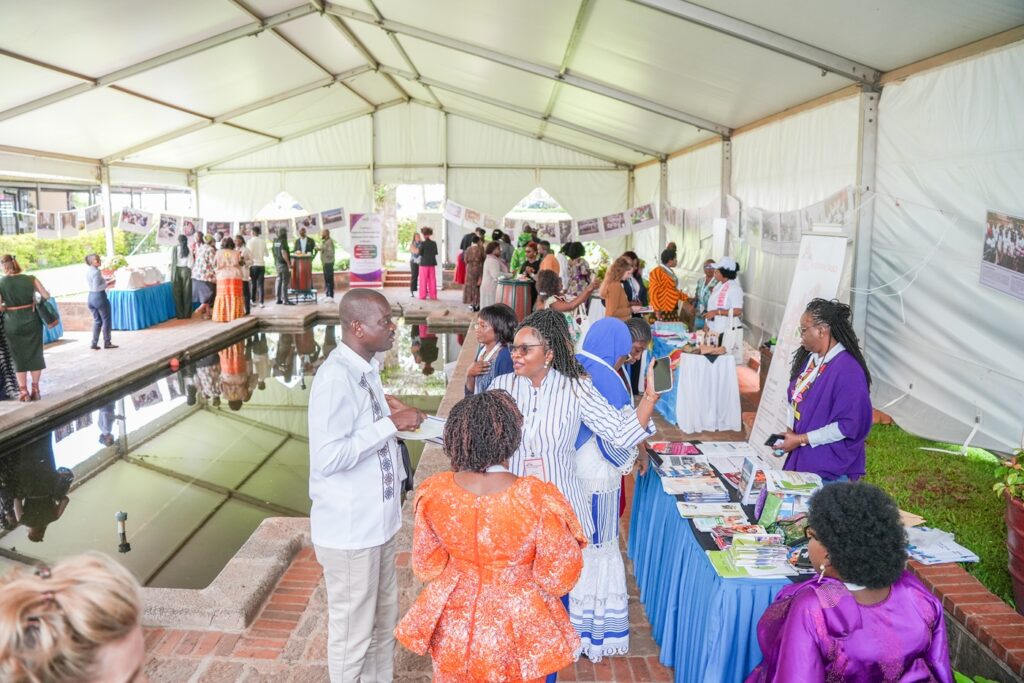
In March 2026, more than 90 participants from across Africa gathered in Nairobi for IGNITE Forward: a convening designed to reflect on progress and rethink how humanitarian and development actors work with local organizations.
At a time when shrinking civic space and limited resources are placing increasing pressure on civil societies around the world, IGNITE Forward created a rare and intentional space: one where grassroots organizations, donors, international NGOs, and private sector actors could engage as peers.
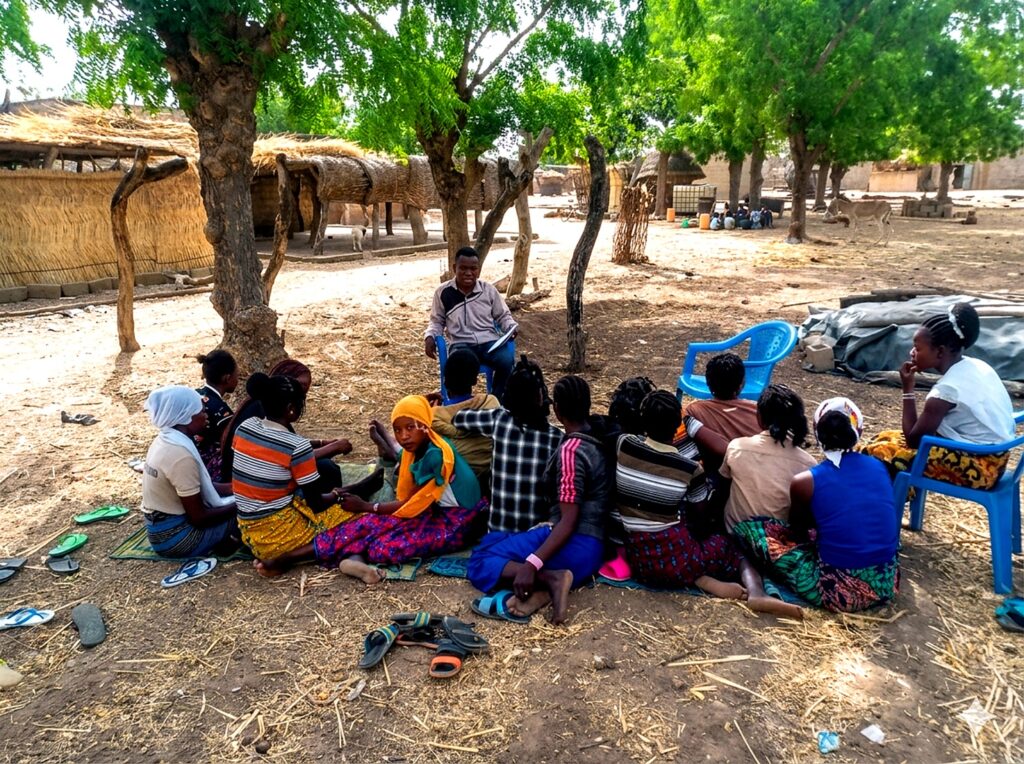
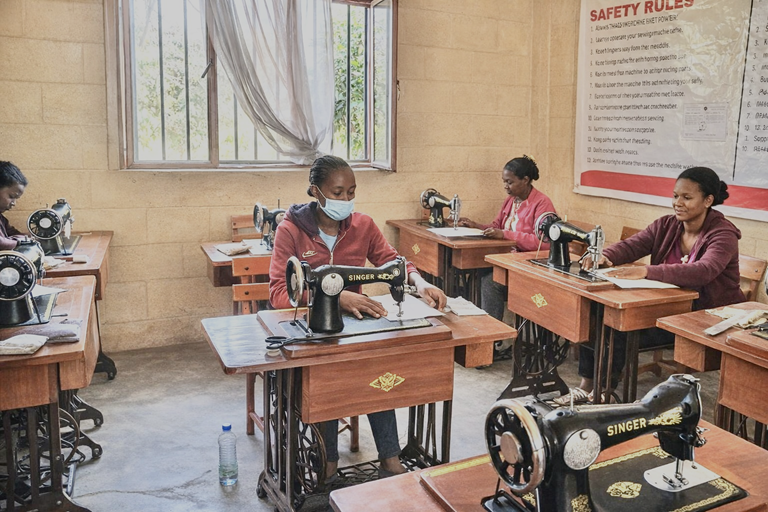
At the heart of the event were 46 women and youth-led civil society organizations from five African countries, each bringing lived experience, practical solutions, and a clear message: locally led feminist action is critical for sustainability respond to community needs.
“The local organisations are ready and are underutilised, pointed out Elisabeth Koek, expert at ECHO, adding that these organisations respond to crisis “because of their deep knowledge of their communities in ways that some bigger, more institutional actors are not capable of doing.”
From Capacity to Confidence
Over the past 36 months, the IGNITE programme has supported 86 grassroots organizations across seven countries, combining an envelope of 5 million euros for flexible funding with tailored support, peer learning, and advocacy strengthening. Together, they have reached over 110,000 individuals, including internally displaced persons and refugees. More than 90 advocacy products were developed to amplify locally grounded evidence and influencing decision-making processes, To reinforce local knowledge and experience, IGNITE organized 800 capacity-sharing activities through workshops, coaching sessions, and communities of practice.
These efforts contributed to tangible change. In Nigeria, one CSO produced radio shows listened by over 30,000 persons that promoted girls’ education and inclusion and tackled harmful gender norms. In the Democratic Republic of Congo advocacy efforts with the Ministry of Education paid off with a reform allowing pregnant adolescents to remain in school. In Lebanon and Jordan, science, technology, and leadership training initiatives opened new pathways for girls in sectors where they remain underrepresented.
These achievements and results were visible throughout IGNITE Forward, not only in what partners said, but in how they said it. Three grantee representatives took the stage to deliver powerful, TED-style talks, speaking directly to a room of donors, policymakers, and international actors. They spoke of the realities behind the numbers: millions of girls out of school, persistent child marriage, and growing resistance to gender equality. But they also spoke of solutions: grounded, tested, and led by communities themselves.
“IGNITE told us that our experience mattered. Our perspectives mattered. Our leadership mattered”, shared Raquel Kasham from Nigeria.
A Model Built on Trust
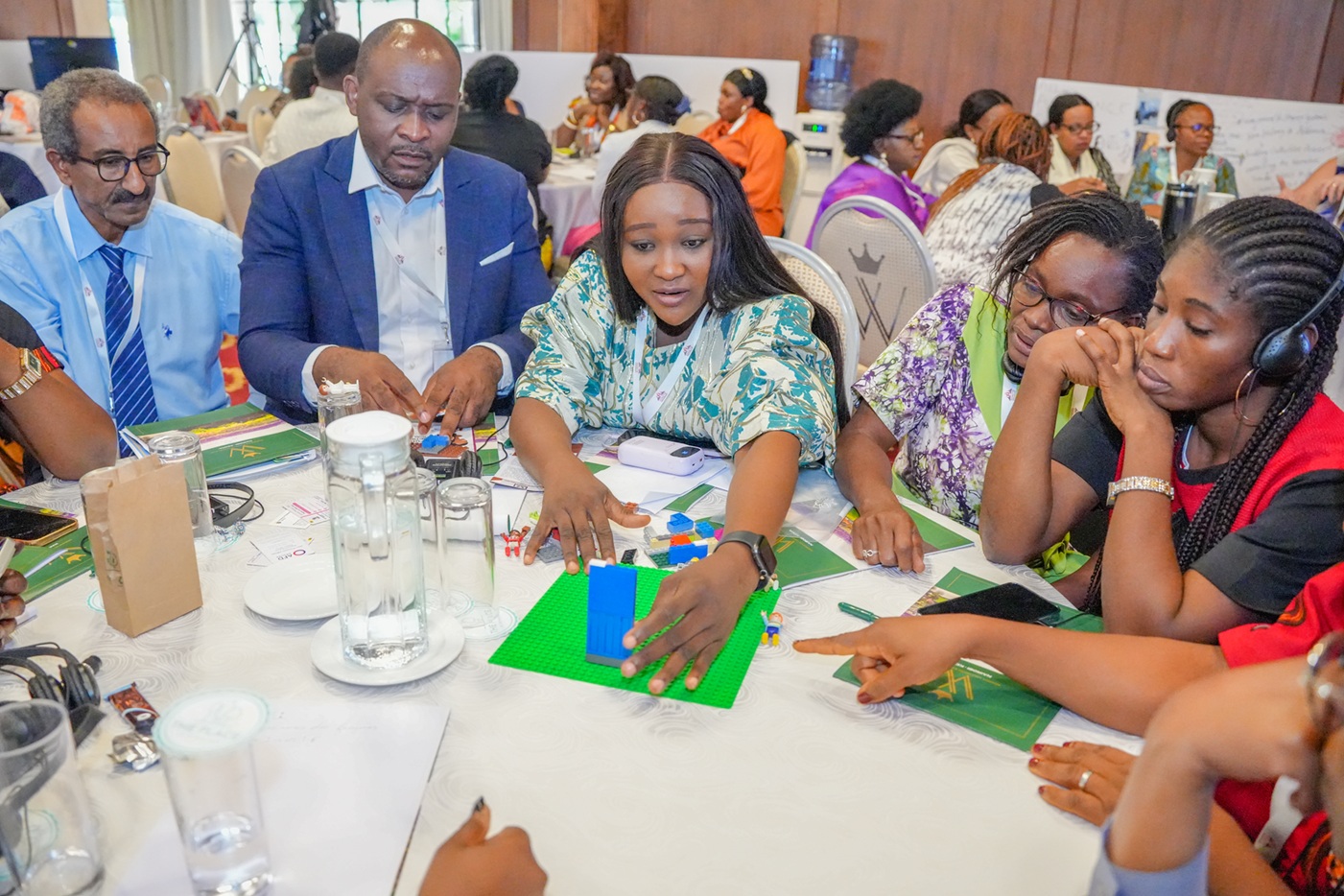
IGNITE Forward underscored the relevance of its partnership model in today’s shifting humanitarian landscape. Rather than imposing predefined solutions, IGNITE invests in locally driven priorities, supports organisations both at technical and organisational levels over time, and fosters trust-based partnerships. This approach enables grassroots actors to adapt, innovate, and lead in complex environments.
Throughout the convening, participants repeatedly highlighted the importance of moving away from transactional relationships toward more equitable collaboration.
“IGNITE is different from other similar programmes. Within the consortium itself, partners worked through a model that emphasized shared leadership, co-creation, co-construction and collective decision-making. And that spirit extended to our relationships with the organizations supported”, summarized Carene Siri, project manager at UAF-Africa.
This model is particularly critical in contexts where local organizations are often the first —and sometimes the only— responders to crises affecting women and girls.
Building Networks That Last
Beyond showcasing achievements, IGNITE Forward was designed to foster durable connections between organizations, across countries, and with global stakeholders.
For many participants, the opportunity to engage directly with donors and partners was transformative. For others, the value lay in connecting with peer organizations facing similar challenges and sharing strategies for impact. 96% of participants reported that the event encouraged conversations with key stakeholders[1].
These relationships are essential to sustaining progress. By strengthening networks, IGNITE is contributing to a broader ecosystem where local actors are not only supported, but interconnected, visible, and influential.
The event and all the activities “were part of a broader effort to help local organizations become stronger institutions, capable not only of implementing projects, but of shaping the future of our communities”, acknowledged Anasthasie Sawadogo from Burkina Faso.
[1] Post-event anonymous survey.
A Collective Way Forward
IGNITE Forward was also a call to action.
As discussions unfolded, a common thread emerged: the need to rethink how power, resources, and decision-making are shared across the humanitarian and development sectors: the future of effective, inclusive, and sustainable action lies in locally led approaches.
Participants emphasized the importance of co-designing programmes, investing in long-term partnerships, and recognizing local organizations as equal actors in shaping solutions.
IGNITE demonstrates that when grassroots organizations are supported not only with resources, but with trust, visibility, and networks, they can drive meaningful change, expanding access to education, strengthening protection systems, and challenging harmful norms.
By bringing together diverse actors around this shared vision, IGNITE Forward has helped lay the foundation for stronger partnerships and lasting impact.