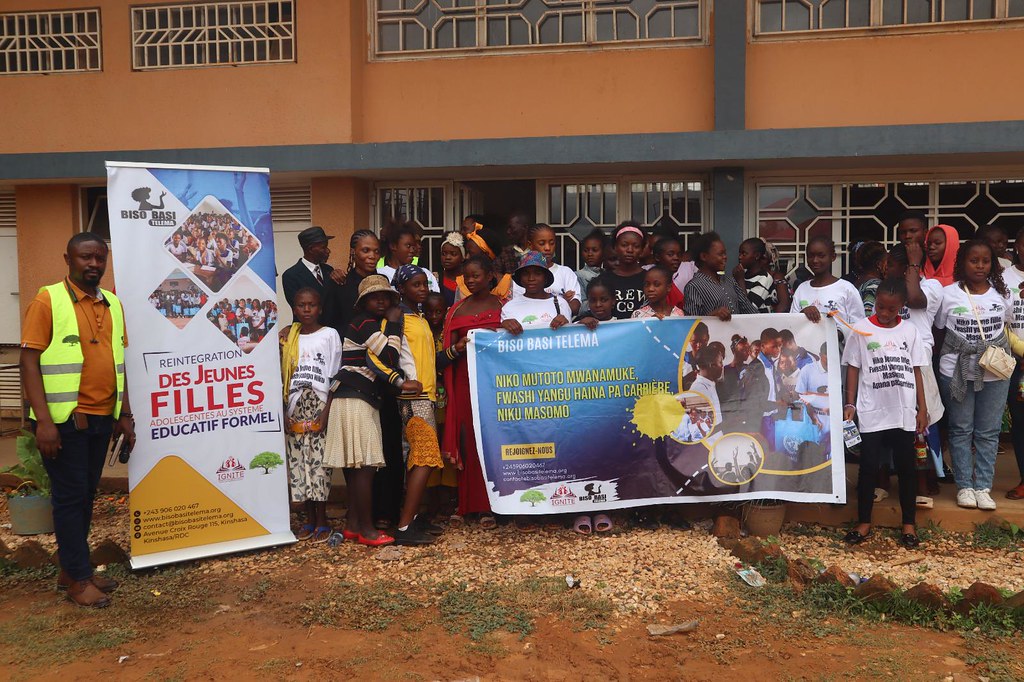
In Haut-Katanga, IGNITE supports the work of the feminist movement Bisobasi Telema, which aims to get teenage girls out of mine work and back into school. The project, supported by Urgent Action Fund Africa (UAF) and IRC, has enabled 35 vulnerable teenage girls to resume their education, while drawing the authorities’ attention to the situation of girls in this region.
In the Democratic Republic of Congo (DRC), mining fuels the global economy. Thousands of children and adolescents work around or in cobalt mines to enable manufacturers of smartphones and other electronic equipment to run their factories at the cost of broken lives.
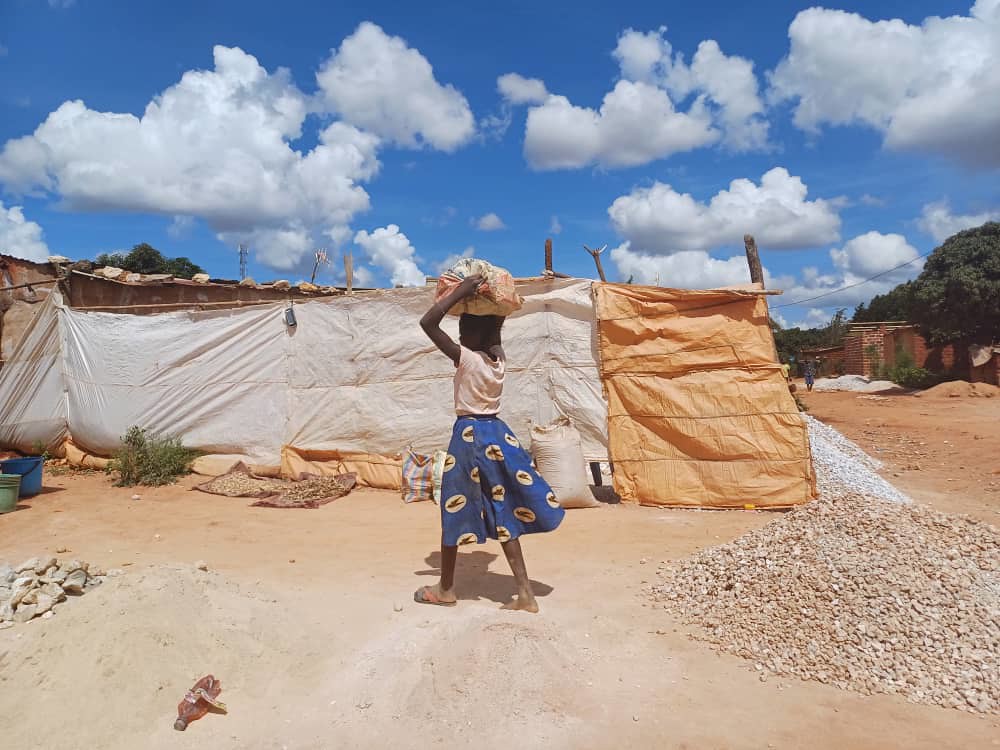
In Haut-Katanga, adolescent girls are exposed to violence, sexual abuse, disease and the dangers of artisanal mining. For many, school becomes an unaffordable luxury, sacrificed on the altar of economic insecurity and deeply unequal social norms.
This reality is part of a national context of chronic underinvestment in education. In the DRC, the share of public spending devoted to education has fallen from 26% in 2020 to just 16% in 2023[1]. In addition, one in five school-age girls does not attend primary school. The proportion rises to one in three by the end of secondary school. These figures highlight the scale of school dropouts in mining areas.
It was in response to this reality that the feminist movement Bisobasi Telema was born. Founded in 2019 in Kinshasa by Elsie Lotendo, a computer engineer and feminist activist, the association’s mission is to defend the rights of women and girls, combat violence, including digital violence, and promote access to education as a fundamental lever in the fight against gender inequality. Today, the movement has more than 20 employees and over 300 active members in Kinshasa, Haut-Katanga and Kasaï.
[1] Global Partnership for Education Report
Seeing the invisible: girls in the mines
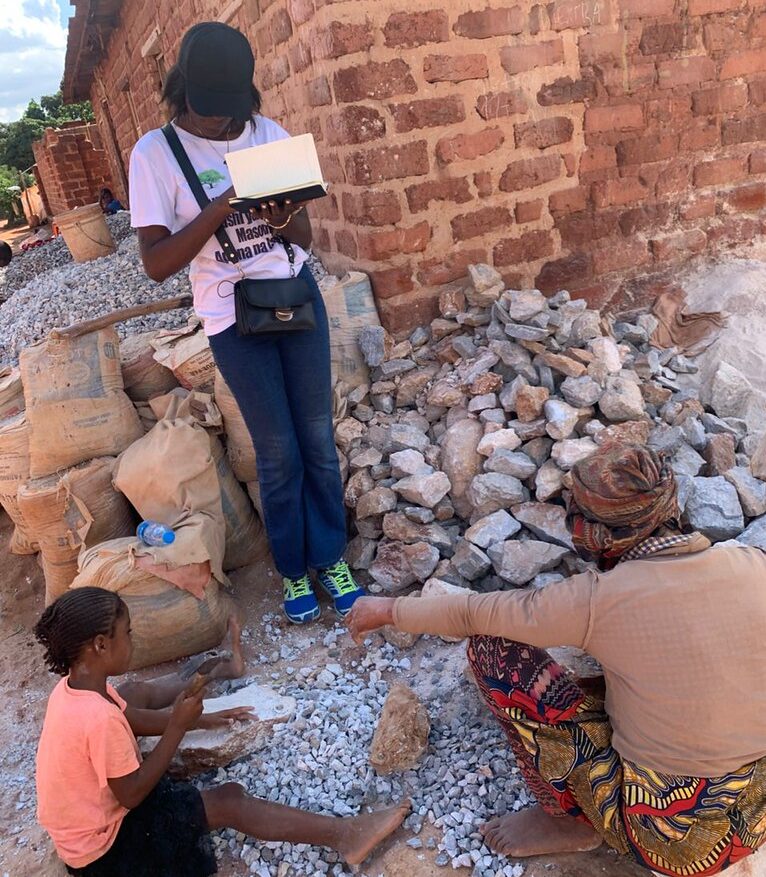
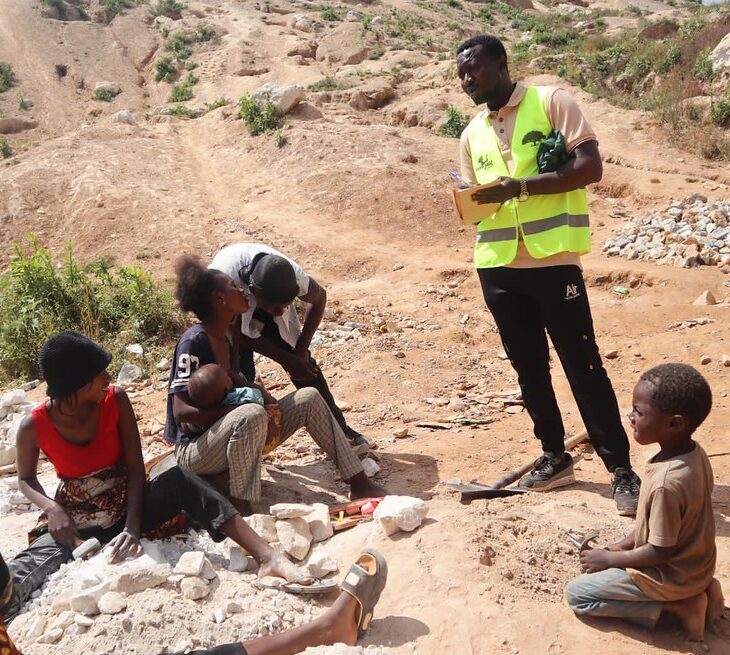
In 2021, the Bisobasi team discovered a particularly worrying situation during a visit to Haut-Katanga: teenage girls working in mines or in restaurants around the sites, without protection, handling chemicals, exposed to rockfalls, rape and early pregnancy. Most of them are the main breadwinners for their families. However, it was not until 2025 that the association was able to take action in the region thanks to the support of IGNITE.
‘Lack of education is the primary obstacle to respecting women’s rights,’ explains Elsie. ‘IGNITE has given us the means to take concrete action rather than just denouncing the situation.’ She then had the idea of offering certain young women the opportunity to leave their jobs in the mining areas and return to school to prepare for a better future. In addition, Bisobasi launched a social media campaign to raise awareness of the situation of women in Haut-Katanga and, above all, to push decision-makers to take action.
However, access to mining sites remains extremely sensitive, sometimes blocked by certain authorities. Identifying and recruiting adolescent girls for school was only possible with the support of community leaders. Neighbourhood chiefs, pastors and teachers paved the way for door-to-door visits, which enabled us to meet families and convince them to allow their daughters to participate in Bisobasi’s activities.
Listen, protect, support
More than 200 girls from Kipushi and Ruwashi have joined discussion groups organised to enable them to talk about their daily lives and share their concerns. For some, it was the first time they had encountered attentive listeners and felt confident enough to tell their stories.
‘When I was in the quarry, I saw accidents, sometimes deaths. My life was very complicated,’ explains Gracia. ‘I spent my days in the quarry transporting ore and crushing it to extract cobalt,’ says Dimercia. Abigaëlle, 15, remembers ‘her suffering and the ever-present danger of rape and accidents.’
Some appeared deeply traumatised and were referred to a doctor for individual, anonymous and tailored consultations. The most serious cases were referred to specialists.
From mine shafts to dreams of a better future
Among them, 35 teenage girls, often orphans, single mothers, internally displaced or from families with no income, were identified as priority cases for educational support. All of them were able to re-enrol in school, from primary to secondary level, thanks to Bisobasi, supported by the IGNITE project and the assistance of UAF and IRC. The project covered their registration fees (reduced by the partner school), supplies and uniforms.
On the eve of the end-of-year holidays, all of them are still in school. A monitoring committee, made up of volunteer parents and members of the association, checks attendance on a weekly basis to prevent any return to the mines.
After four months, the results are striking: the girls are more confident, better integrated, punctual, and achieving good academic results. ‘Today, there is no longer any difference between them and the other pupils,’ says David Sumba, headmaster of the Sindabuya school in Ruashi, which takes them in. ‘Their classmates don’t even question their unusual educational background, as it is now so difficult to tell the difference between them and the other schoolgirls,’ he says happily.
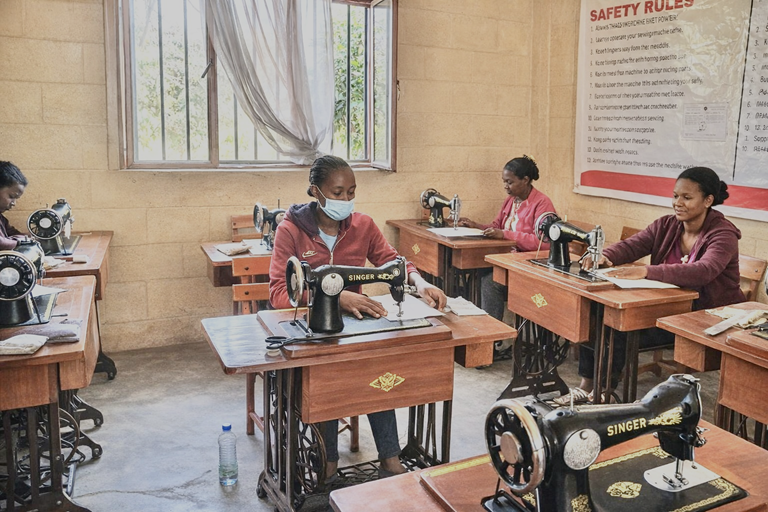
Thanks to Bisobasi, Dimercia is training to be a seamstress, while Gracia is now in her final year of secondary school and will take her baccalaureate at the end of the school year. ‘I would then like to go to university,’ she adds, saying she hopes to find the financial support she needs to realise her dream of higher education. ‘Bisobasi has given me a life I never imagined,’ says Abigaëlle calmly.
This return to a normal teenage life has also opened up new horizons and given rise to dreams: setting up a sewing workshop, becoming a lawyer to defend children who are victims of mining exploitation, launching a digital business and training other young people.
An effort to be continued, a system to be changed
Bisobasi says it wants to support these ambitions. If support were to end with the conclusion of IGNITE, many girls would be at risk of returning to the mines. Some are still five years away from finishing secondary school, so the association is working to raise awareness of these realities and mobilise further support.
In parallel with its actions on the ground, Bisobasi is gradually stepping up its advocacy to change practices and policies in mining areas. At this stage, the organisation is mainly conducting community awareness-raising activities through social media to denounce child labour, gender-based violence and the exclusion of girls from school.
Thanks to workshops and individualised coaching from IGNITE’s advocacy expert, Bisobasi is currently developing a strategy to influence the authorities, in particular the Ministry of Mines, the Ministry of Education, parliamentarians and mining companies. The association is also working to mobilise sustainable support to continue assisting young girls beyond the duration of IGNITE.
“It’s not just a question of lack of resources, but of choices and priorities,” Elsie insists. Companies must guarantee dignity, safety and legal age in mining areas, and invest in educational alternatives as part of their social responsibility.